

Rent day has a way of sharpening your priorities. You want a home that feels comfortable, pulled together, and ready for real life - but after deposits, movers, and utility setup, the decorating budget can look very different than it did on paper. If you are wondering how to furnish an apartment on a budget, the good news is you do not need to choose between style and practicality. You need a plan that gives the biggest pieces the biggest purpose.
A well-furnished apartment rarely comes from buying everything at once. It comes from choosing the right essentials first, leaving room for upgrades later, and focusing on pieces that work harder in smaller spaces. That approach is especially useful in Canadian condos and apartments, where every square foot needs to feel intentional.
Start with the rooms you use every day
The fastest way to overspend is to treat every room as equally urgent. In most apartments, they are not. Your living room, bedroom, and dining area usually carry the most daily use, so that is where your budget should do the heavy lifting first.
Begin by asking a simple question in each space: what does this room need to do for me right now? In the living room, that might mean lounging, hosting a friend, or creating a comfortable spot to work from a laptop. In the bedroom, it means proper sleep and enough storage to stay organized. In the dining area, it may be less about formal entertaining and more about having a compact surface for meals, work, and weekend catch-ups.
This mindset helps you avoid decorative spending before the functional foundation is in place. A beautiful accent chair is tempting, but if you still need a bed frame or a proper sofa, it is not the best first move.
How to furnish an apartment on a budget without buying twice
Budget furnishing is not about choosing the cheapest option in every category. It is about choosing the best value for the way you live. Cheap pieces that wear out quickly, wobble after a few months, or never really suit the room can cost more in the long run because they are replaced sooner.
Instead, spend a little more carefully on anchor pieces. A supportive mattress, a comfortable sofa, and a sturdy dining set tend to shape your day-to-day experience more than trend-driven accessories. When these key items are well chosen, the rest of the apartment becomes easier to style over time.
There is also a trade-off worth considering between flexibility and permanence. If you expect to move again within a year, modular, lightweight, or multipurpose furniture may be the smarter buy. If this apartment is likely to be home for several years, it can make sense to invest in fewer but better pieces with more staying power.
Set your budget by category, not by impulse
A total furnishing budget sounds useful, but it can be misleading if it is not broken down. A better approach is to assign spending limits by room and by priority.
For example, the bedroom often deserves a larger share than people expect because sleep affects everything. Living room seating usually comes next, followed by a dining solution, storage, lighting, and finishing details. Once you know your top categories, it becomes easier to say no to lower-priority purchases that look good in the moment but do not improve how your home functions.
Keep a little cushion in the budget for practical add-ons people often forget: lamps, side tables, curtains, mirrors, and basic home essentials. These smaller pieces add up quickly, and they are often what make an apartment feel finished.
Choose furniture that earns its footprint
Small-space living rewards smart design. When you are furnishing on a budget, every piece should offer either extra function, extra storage, or extra flexibility.
A sofa bed is one of the clearest examples. It gives you everyday seating and a guest-ready sleep solution without requiring a separate guest room. A sectional can work beautifully too, especially in an open-concept layout, but only if the scale is right. In a tighter apartment, a compact sofa with clean lines may create a more spacious feel and leave room for side tables or a slim media unit.
In the bedroom, a platform bed can be a smart choice because it delivers a clean modern look and often eliminates the need for a bulky box spring. If under-bed storage matters, make sure the frame height supports bins or baskets. That one detail can save you from needing an extra dresser right away.
For dining, do not force a large table into a small floor plan. A compact dining set, round table, or extendable option often works better. The goal is to make the space feel easy to move through, not crowded.
Shop room by room, but keep the whole apartment in mind
One of the easiest ways to make a budget apartment feel more elevated is to create visual consistency. That does not mean every piece has to match. It means the overall look should feel connected.
Pick a clear style direction before you start buying. For many apartments, modern furniture is a natural fit because it tends to use cleaner profiles, lighter visual weight, and space-conscious proportions. Neutral upholstery, warm wood tones, matte black accents, and soft textured fabrics can create a timeless base that still feels current.
When the larger items share a similar design language, you can mix in affordable décor more confidently. A simple rug, wall art, or lighting update has a stronger impact when the room already feels cohesive.
This is also where online shopping can work in your favour. Seeing coordinated collections across living room, bedroom, dining, lighting, and décor categories makes it easier to build a balanced home without second-guessing every choice. Furneeta, for example, is designed around that one-stop approach, which can help streamline decisions when you are furnishing multiple rooms at once.
Save money where it shows less, spend where it shows more
Not every category carries the same visual or functional weight. If you need to stretch your budget, focus spending on the pieces people notice and use most.
Your sofa, bed, dining set, and area rug usually shape the room first. These items influence comfort, scale, and the overall impression of the apartment. Smaller supporting pieces can be simpler at the start. You can live with a basic nightstand or an uncomplicated lamp for a while if your core furniture looks polished and feels comfortable.
Materials matter here too. Upholstery, bed frames, and tabletops should feel durable enough for regular life. But you may not need premium finishes everywhere. Sometimes a well-designed, easy-care fabric or streamlined engineered wood piece makes more sense than chasing a higher price tag for the sake of it.
Measure first, then buy with confidence
A bargain is not a bargain if it does not fit through the door, overwhelms the room, or leaves no walking space. Apartment furnishing has practical limits, and measuring is one of the best ways to protect your budget.
Measure the room, then measure the path into the room. Check hallway widths, stairwells, elevator dimensions, and entry doors. In condos especially, delivery realities can shape what works.
Inside the apartment, think beyond whether the furniture fits. Ask whether it allows the room to function properly. Can you open drawers fully? Is there enough clearance around the bed? Can people move comfortably around the dining table? A piece that technically fits but makes the room awkward will not feel like good value.
Leave space for finishing touches
A budget apartment can still feel warm, layered, and complete. The mistake is trying to achieve that all at once. Once the main furniture is in place, add character gradually.
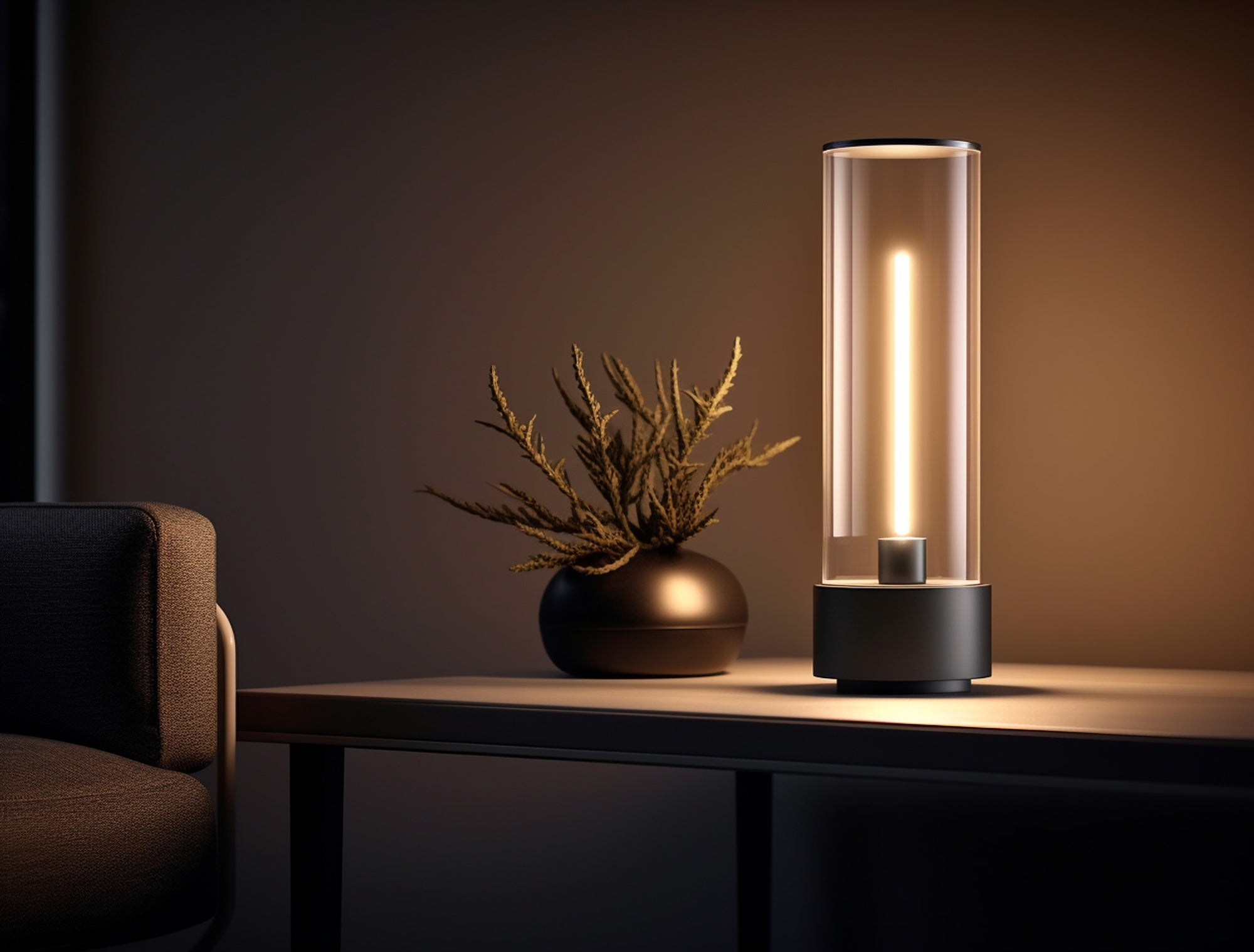
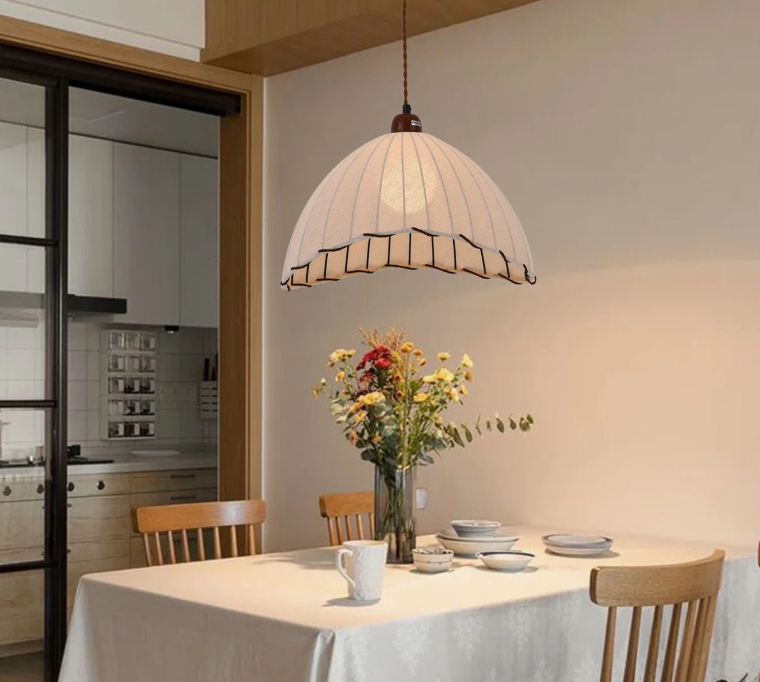
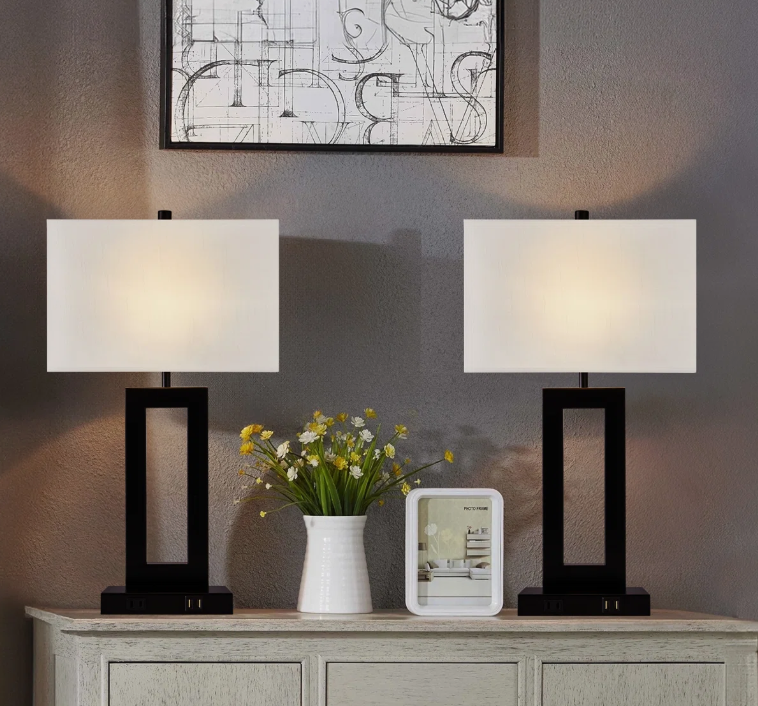
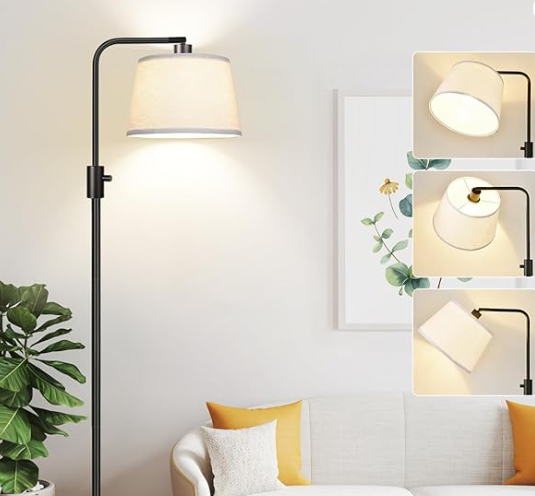
Lighting makes a significant difference, especially in apartments that rely on builder-grade overhead fixtures. A floor lamp in the living room, bedside lamps in the bedroom, and a mirror to reflect light can instantly make the home feel more refined. Wall décor, cushions, and throws can soften modern lines and make the space feel more personal without requiring a major spend.
Plants, textured bedding, and a few well-placed decorative objects can do more than a crowded room full of small furniture. Editing matters. A home feels more elevated when each addition has a reason to be there.
Be realistic about timing
The most stylish apartments are often built in layers. If you are trying to figure out how to furnish an apartment on a budget, give yourself permission not to finish everything in one weekend.
Start with the essentials that support comfort and routine. Add storage as you understand what the apartment lacks. Introduce décor once the big pieces are settled. This slower approach usually leads to better decisions, fewer mismatched purchases, and a home that feels more considered.
A beautiful apartment is not the one with the most furniture. It is the one where each piece contributes to comfort, function, and a sense of ease. Build that feeling first, and the rest of the space will come together naturally.
Your apartment does not need to look fully styled on day one. It just needs to feel like a place you can exhale in, live well in, and keep improving over time.

