


A living room usually tells on a home within seconds. If the sofa is too large, the room feels cramped. If the tables are too small, the space looks unfinished. If every piece is stylish but nothing feels comfortable, people notice that too. This modern living room furniture guide is designed to help you choose pieces that look current, feel inviting, and work for real Canadian homes, from compact condos to busy family houses.
Modern living rooms are not about making a space feel cold or overly designed. The best ones balance clean lines with warmth, comfort, and function. They look polished, but they still invite you to stretch out at the end of the day, host friends on the weekend, and keep everyday clutter under control.
What modern furniture really means in a living room
A modern look starts with restraint. Furniture tends to have cleaner silhouettes, thoughtful proportions, and finishes that feel calm rather than busy. That does not mean every piece has to be sharp-edged or minimal. In fact, many of today’s most appealing modern living rooms mix soft upholstery, textured fabrics, rounded corners, and warm wood tones with a streamlined layout.
For most homes, modern style works best when it solves a problem rather than simply following a trend. A sectional can define an open-concept space. A storage coffee table can help a condo feel more organized. A sofa bed can turn a living room into a guest-ready space without asking for a dedicated spare room. Good furniture should make the room easier to live in, not harder to maintain.
A modern living room furniture guide for the right foundation
The anchor of the room is almost always the seating. Start there, because every other piece will follow its scale and tone. If you choose the wrong sofa first, the rest of the room becomes a series of compromises.
Start with the sofa or sectional
A standard sofa works well in smaller living rooms, narrow layouts, or spaces where you want more flexibility with accent chairs. It keeps the room open and often leaves more space for side tables, lighting, or storage. For condos and apartments, this can be the difference between a room that feels breathable and one that feels crowded.
A sectional makes more sense when the living room is your main gathering zone. It offers generous seating, helps define larger spaces, and creates a natural lounge feeling. For families, movie nights, or open-concept main floors, a sectional often gives better everyday value. The trade-off is footprint. You need enough room around it so the space still feels easy to move through.
If your home needs to do more with less square footage, a sofa bed is one of the smartest modern choices. It gives you everyday seating and occasional sleeping space in one clean profile. This is especially practical for first-time buyers, urban renters, or households that host guests but do not have an extra bedroom.
Choose a coffee table that fits the room, not just the sofa
A coffee table should visually connect the seating area, but it also needs to support daily life. In a family room, soft corners and durable finishes may matter more than a statement shape. In a smaller condo, a lift-top or storage design can make the room work harder without looking overfilled.
Shape matters more than many shoppers expect. Rectangular tables suit longer sofas and sectionals, while round or oval tables often improve flow in tighter rooms. If people are constantly squeezing past furniture, softer shapes can help the layout feel lighter and more forgiving.
Add accent seating with purpose
Accent chairs are often treated like finishing touches, but they can quietly change how a room functions. A pair can make a larger room feel complete. A single chair can create balance in a compact layout. It can also give you a comfortable reading spot without relying on a bulky second sofa.
The key is contrast with control. If your sofa is low and tailored, a chair with a curved form or textured fabric can soften the look. If your room already has several visual elements, keep the chair simpler. Modern spaces usually feel best when one or two pieces carry the personality and the rest support them.
How to make layout decisions with confidence
One of the biggest mistakes in living room shopping is buying furniture as separate items instead of as a full composition. A beautiful sofa, a stylish media unit, and a sculptural chair may all work on their own, but not necessarily together.
Think first about pathways. You should be able to move through the room without weaving around corners or shifting side tables every week. In smaller homes, this matters even more. Pieces with slimmer arms, raised legs, or multi-use storage can help the room feel more open without giving up comfort.
Scale is just as important as style. Large furniture can look luxurious in a showroom but feel overwhelming at home. On the other hand, undersized pieces can make a room feel temporary or disconnected. Measure carefully, but also think in proportions. Your coffee table, media console, and seating should feel related, not randomly selected.
Materials and finishes that suit modern Canadian homes
The most successful living rooms look current because of their mix of materials, not because everything matches. Upholstered seating adds softness. Wood introduces warmth. Metal or glass can sharpen the look. The goal is a balanced room that feels layered and easy to live with.
Performance fabric is worth serious consideration if your living room handles daily wear, pets, or kids. It helps protect the investment without sacrificing style. Bouclé, chenille, and textured woven fabrics bring depth, while smooth neutrals keep the room versatile if you like changing décor seasonally.
Wood finishes are also shifting. Many homeowners still love deep tones, but lighter and medium woods often suit modern interiors better because they brighten the room and pair easily with soft greys, creams, taupes, and black accents. If your floor is already dark, a lighter coffee table or media unit can create contrast and prevent the room from feeling heavy.
Storage matters more than you think
A modern living room should feel calm, and clutter works against that quickly. That is why storage deserves more attention than it usually gets. Media consoles with closed compartments, side tables with drawers, and ottomans with hidden storage can all help maintain a cleaner look.
This is especially useful in condos and open-concept homes, where the living room is often visible from the kitchen or entryway. When every surface becomes a drop zone, the whole home feels less polished. Furniture that quietly stores remotes, throws, toys, or extra chargers can make the room feel intentionally designed rather than constantly in transition.
The pieces worth spending more on
Not every item in the room needs the same budget. If you are prioritizing, invest more in the furniture you use every day and notice most. That usually means the sofa, sectional, or sofa bed first. Comfort, seat support, upholstery quality, and construction all matter here because they affect your experience every single day.
Coffee tables, accent chairs, and media units still matter, but you may have more flexibility depending on how heavily they are used. If your room serves as the centre of family life, durability should lead. If it is more of a formal entertaining space, finish and visual impact may take priority.
A polished room is rarely the result of buying the most expensive version of everything. It comes from choosing the right pieces in the right order. That is often the smarter path for shoppers who want to elevate their homes while staying practical about budget.
A modern living room furniture guide for cohesive style
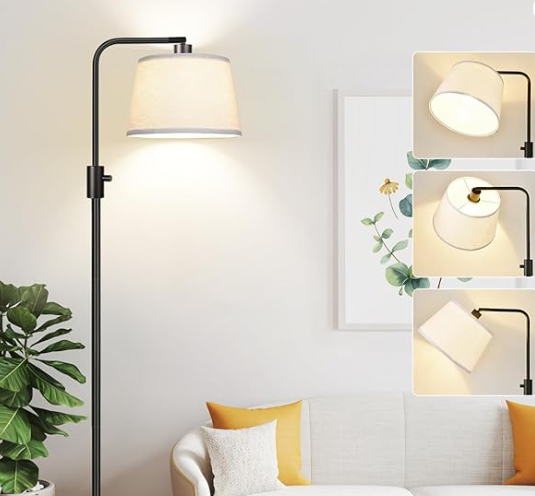
Cohesion does not mean buying a matching set. In many cases, that can make a room feel flatter and less current. A more modern approach is to keep a consistent mood across the room. You might combine a warm beige sofa, a walnut table, a black metal floor lamp, and a soft textured rug. The finishes vary, but the room still feels connected.
Colour helps with that. Neutrals remain a strong foundation because they are flexible and timeless, but that does not mean everything has to be beige or grey. Deep green, rust, charcoal, and muted blue can all work beautifully in modern interiors when used with intention. If you prefer a quieter palette, bring in interest through texture and shape instead of stronger colour.
When shopping online, it helps to think in layers rather than individual products. Start with seating, add a table, then bring in storage or accent pieces that reinforce the same direction. Furneeta’s modern collections are especially useful for this kind of room-building approach because they let you create a cohesive look without making the space feel overmatched.
A well-furnished living room does not need to be oversized, expensive, or styled for photos only. It needs to support the way you live while still feeling elevated every time you walk in. Choose pieces that welcome people in, make your layout feel easier, and give your home a sense of calm you can actually maintain.

