

A modern living room should feel pulled together the moment you walk in - not cold, crowded, or overworked. If you’re figuring out how to style a modern living room, the real goal is balance: clean lines with warmth, comfort with structure, and a look that feels current without becoming too trend-heavy.
That matters even more in Canadian homes, where living rooms often do double duty. They host quiet evenings, movie nights, casual entertaining, remote work, and sometimes even overnight guests. A well-styled modern space has to look elevated, but it also needs to support real life.
Start with the layout before the décor
The fastest way to make a living room feel modern is not buying more accessories. It’s getting the layout right. Modern rooms work best when furniture placement feels intentional and open, with enough breathing room around key pieces.
Start with your largest item, usually the sofa or sectional. Place it to define the conversation area rather than pushing every piece against the wall. In a condo or smaller living room, that might mean floating a compact sofa slightly forward with a rug underneath to anchor the zone. In a larger family room, a sectional can help shape the space and create a natural focal point around a coffee table or media unit.
Think about movement next. You should be able to walk through the room without weaving around furniture. If the room feels tight, the issue is often scale, not style. A deep oversized sofa may look inviting online, but in a smaller footprint it can make the whole room feel heavy. Choosing pieces with slimmer arms, raised legs, or a more tailored silhouette usually creates a cleaner, more modern effect.
Choose a colour palette that feels calm and current
If you want to know how to style a modern living room without making expensive mistakes, start with a restrained palette. Modern interiors usually feel strongest when the colours are edited. That does not mean everything has to be white or grey. It means the room should have a clear point of view.
A reliable foundation is built around warm neutrals such as soft beige, taupe, ivory, greige, or muted stone. These shades keep the room bright while adding more depth than stark white. From there, layer in black accents, natural wood tones, or deeper colours like olive, charcoal, navy, or rust for contrast.
The trade-off is simple. A very neutral room feels timeless and easy to update, but it can also fall flat if every finish looks too similar. On the other hand, a bolder palette adds personality, but it requires more discipline so the space still feels cohesive. If you’re unsure, keep the large furniture pieces neutral and bring colour in through art, cushions, or an accent chair.
Invest in the furniture pieces that set the tone
Modern styling begins with the core furniture, not the finishing touches. If the sofa, coffee table, and storage pieces feel visually cohesive, the rest of the room becomes much easier to style.
A modern sofa usually has a clean profile, balanced proportions, and upholstery that feels inviting rather than fussy. Bouclé, linen-look fabric, velvet, and textured weaves can all work beautifully, depending on the mood you want. A low-profile sectional creates a relaxed contemporary look, while a structured three-seater with slim arms feels a little sharper and more architectural.
Your coffee table should complement the sofa, not compete with it. In many homes, round or oval coffee tables soften a room filled with straight lines and make circulation easier. Rectangular tables work well in longer spaces, especially when paired with sectionals. Materials matter too. Glass can lighten a small room, wood adds warmth, and stone or faux marble brings a more elevated finish.
Storage is where style and practicality meet. A modern media console, sideboard, or shelving unit helps reduce visual clutter, which is essential in this look. Closed storage often works better than open shelving if you want the room to appear calm and polished. Everyday items still need a place to go.
Use texture to keep modern from feeling sterile
One reason some modern living rooms miss the mark is that they rely on shape but forget comfort. Clean lines are important, but texture is what makes the space feel lived in and welcoming.
Start with a rug that grounds the room. In most cases, bigger is better. A rug that sits under at least the front legs of the sofa and chairs makes the furniture grouping feel complete. For a modern living room, look for subtle pattern, tonal variation, or soft texture instead of something overly busy. Cream, sand, grey, and muted earth tones are easy choices, but a deeper rug can also add richness if the rest of the room is light.
Then build softness through cushions, throws, and upholstery contrast. If your sofa is smooth and tailored, pair it with chunkier knits, boucle accents, or linen-blend pillows. If your room already has a lot of texture, simplify the accessories so it does not feel cluttered. Modern styling is rarely about adding more. It is about choosing layers that each bring something different.
Lighting shapes the whole room
Good styling can fall apart quickly under poor lighting. A modern living room needs more than one light source, especially in Canada where darker months make ambient lighting essential.
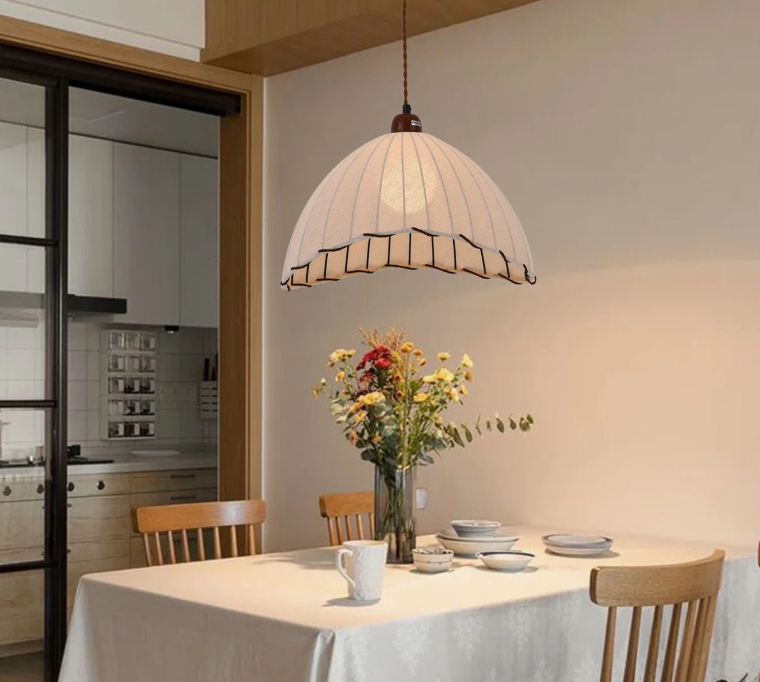
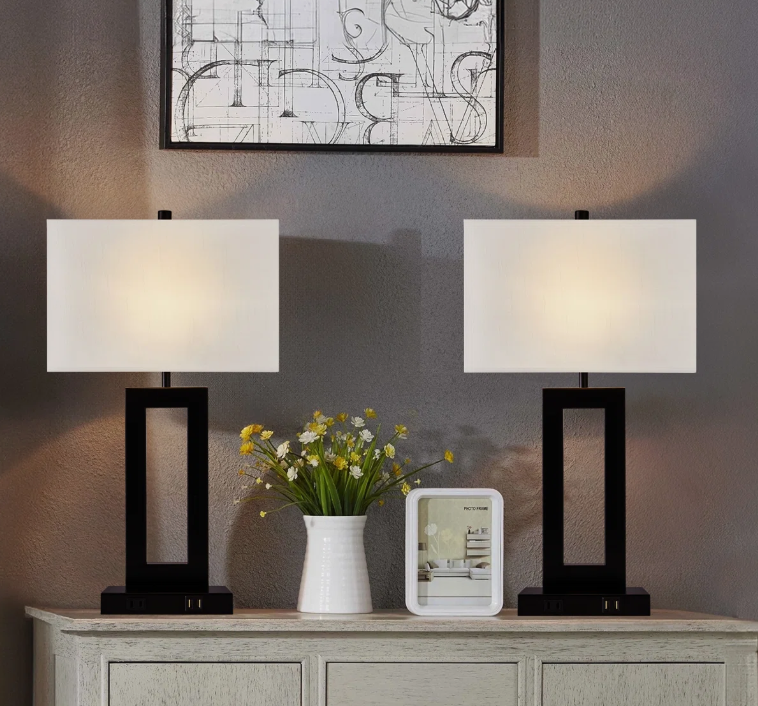
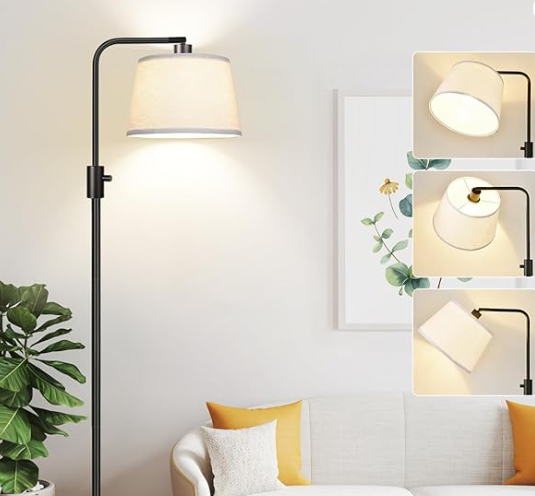
Relying only on a ceiling fixture tends to flatten the room. Instead, combine overhead lighting with a floor lamp, a table lamp, or wall lighting if your layout allows. This layered approach creates a softer, more flattering atmosphere and highlights the different zones in the room.
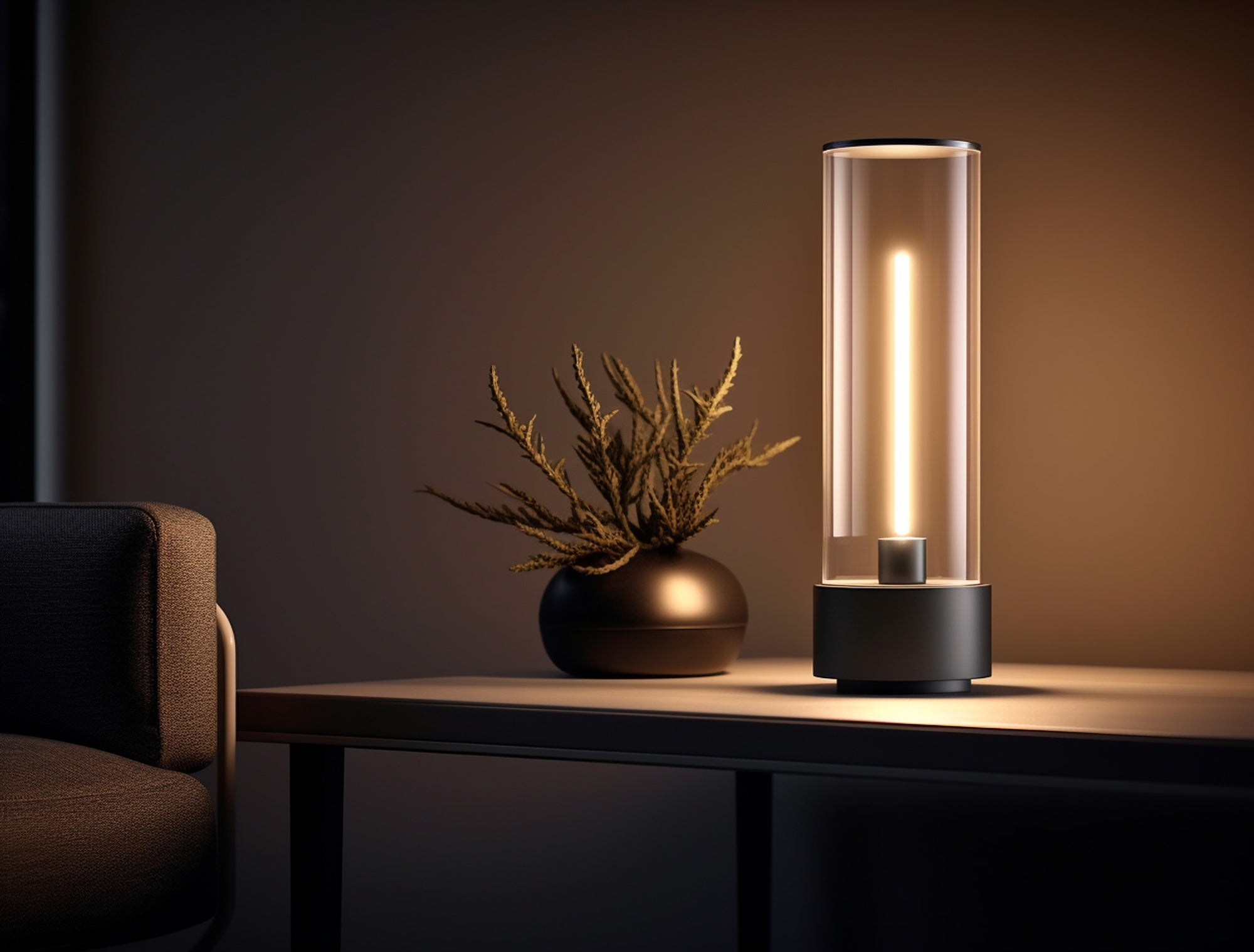
For a modern look, choose lighting with simple silhouettes and strong materials. Matte black, brushed gold, glass, ceramic, and natural stone all work well. Sculptural lighting can act almost like functional art, especially in a minimalist room. Just keep the scale in proportion. A dramatic floor lamp can elevate a seating area, but in a compact condo living room, it should not overwhelm the furniture around it.
Keep décor edited and intentional
When people ask how to style a modern living room, they often think décor is the main event. It is not. Décor is the finishing layer that supports the furniture and architecture already in place.
Start with wall art that suits the scale of the room. One oversized piece often looks more modern than a scattered arrangement of smaller frames, though a clean gallery wall can work if the spacing is consistent. Mirrors are also useful, especially in smaller spaces, because they reflect light and help a room feel more open.
On your coffee table or console, think in small groupings rather than filling every surface. A tray, a candle, a stack of books, and one sculptural object usually does more than a dozen small pieces. Greenery also goes a long way. A single floor plant, a branch arrangement, or fresh stems can add life and soften the sharper lines of modern furniture.
There is a fine line here. Too little styling can make the room feel unfinished. Too much makes it feel busy. If you’re editing, remove anything that does not add warmth, function, or visual balance.
Make it work for your space and your lifestyle
The best modern living rooms are not styled for photos alone. They are designed around how people actually live. That means the right approach depends on your household, your square footage, and what the room needs to do every day.
In a smaller apartment or condo, multifunctional furniture is often the smartest move. A storage ottoman, compact sectional, nesting tables, or sofa bed can help the room stay flexible without sacrificing style. In a larger home, you may have more freedom to layer in accent chairs, larger rugs, or a statement media unit, but the same principle applies: every piece should earn its place.
If you have children or pets, performance fabrics and durable finishes are worth prioritizing. A cream sofa may look beautiful, but the best choice depends on how much maintenance you are willing to take on. Likewise, sharp-edged tables might suit one household and be completely impractical in another. Modern style should feel easy to live with, not precious.
For shoppers furnishing a full room, it often helps to think in collections rather than isolated items. When your sofa, tables, lighting, and décor share a common language of shape, colour, and material, the room feels more elevated with less effort. That is part of what makes a curated modern approach so effective, especially when buying online.
A beautiful living room does not come from chasing every trend. It comes from choosing the right foundation, layering with purpose, and creating a space that feels as good as it looks. If you want your home to feel current, comfortable, and confidently put together, start with clarity - then let each piece build on that story.

