

The bedroom usually tells the truth about how a home feels. If it is crowded, too bright, or filled with furniture that never quite fits, it is hard to fully switch off at the end of the day. If you are wondering how to create a relaxing bedroom retreat, the answer is not simply adding more décor. It starts with making the room feel calm, functional, and comfortable in the ways that matter every day.
A true retreat should support sleep, quiet routines, and a sense of order. That looks different in every home. A downtown condo bedroom may need to work harder with less square footage, while a larger suburban room might need better zoning so it does not feel empty or under-styled. In both cases, the goal is the same - a bedroom that feels easy to live in and even easier to unwind in.
Start with the feeling, not the accessories
Before choosing bedside lamps or new bedding, decide what you want the room to feel like when you walk in. Most people say restful, but restful can mean different things. For some, it is soft and minimal with light oak, white bedding, and very little visual noise. For others, it is warmer and more cocooning, with upholstered textures, richer tones, and layered lighting.
This step matters because it keeps the space cohesive. Bedrooms feel relaxing when every major piece supports the same mood. If the bed feels plush and inviting but the rest of the room is overly stark, the retreat effect gets lost. A polished bedroom is not necessarily a busy one. Often, the most elevated spaces edit well and let a few strong choices do the work.
Choose furniture that supports rest
The bed is the centre of the room, both visually and practically. If you are serious about how to create a relaxing bedroom retreat, start by investing in a bed frame and mattress that make sleep feel like a priority rather than an afterthought.
Platform beds are especially well suited to modern Canadian homes because they offer clean lines and a grounded silhouette without making the room feel heavy. In smaller bedrooms, that lower profile can help the space look more open. Upholstered beds add softness and comfort, especially if you like to read or watch a show before sleeping. Wood frames bring warmth and timeless structure. The right choice depends on your layout and your habits.
The mattress matters just as much. A beautiful bedroom does not feel relaxing if sleep quality is poor. Support, motion control, temperature preference, and firmness all shape the experience. What works for one sleeper may not work for another, so this is one area where personal comfort should lead the decision.
Nightstands also deserve more attention than they usually get. They do not need to match perfectly, but they should feel balanced in scale and useful in function. Drawers help reduce visual clutter. Open shelving can work in styled rooms, but only if you are disciplined about what stays visible.
Let the layout create calm
A relaxing room usually has one thing in common - it is easy to move through. That sounds basic, but layout makes a bigger difference than many people expect.
Keep the bed in a position that feels anchored. In most rooms, centring it on the main wall creates the strongest sense of balance. If space is tight, avoid forcing too many pieces around it. A retreat should not feel like a storage challenge.
If you have a compact condo or apartment bedroom, choose fewer, better pieces. A streamlined dresser, a bed with built-in storage, or a narrower nightstand can preserve precious floor space without sacrificing function. In larger rooms, resist the urge to fill every corner. Empty space can be part of the design. It gives the eye room to rest.
If you have enough square footage, a small bench, accent chair, or low-profile chest at the foot of the bed can make the room feel more complete. The trade-off is circulation. If adding one more piece makes the room feel tighter, skip it. Comfort always wins.
Use colour to quiet the room
Colour has a strong effect on how restful a bedroom feels. Soft neutrals, warm whites, muted greys, gentle taupes, and earthy tones tend to work well because they create a calm backdrop without feeling cold. Blues and greens can also be effective, especially in subdued shades.
That does not mean the room has to be pale. Darker colours can feel deeply relaxing when paired with the right textures and lighting. Charcoal, olive, deep beige, and soft mocha can create a more intimate mood, particularly in rooms with good natural light. The key is consistency. Too many competing tones can make the space feel unsettled.
A simple palette often feels more expensive and more restful. Think of colour as a foundation rather than a feature that needs constant variation.
Layer lighting for morning and night
Overhead lighting alone rarely creates the kind of atmosphere a bedroom needs. For a retreat-like feel, lighting should shift with the time of day.
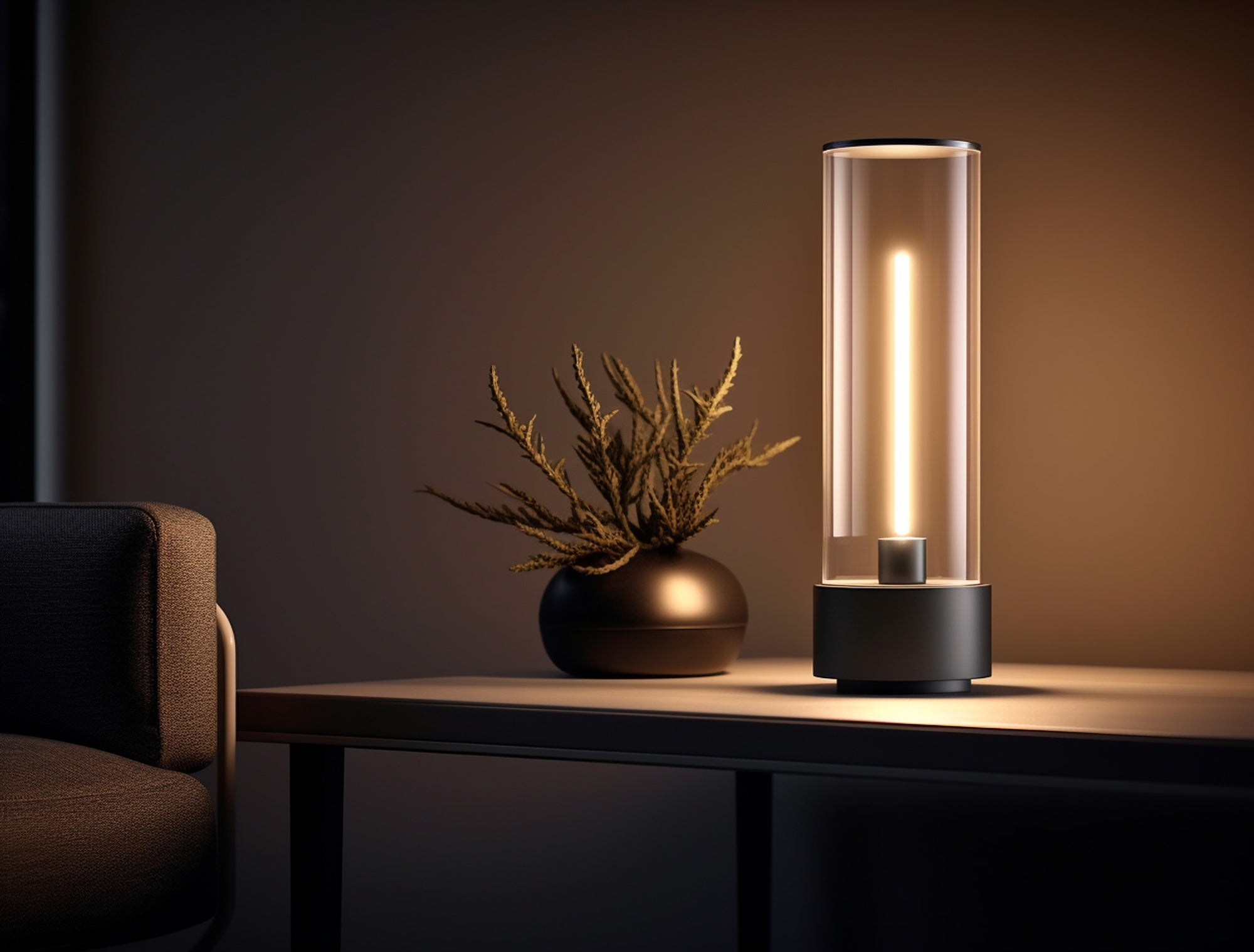
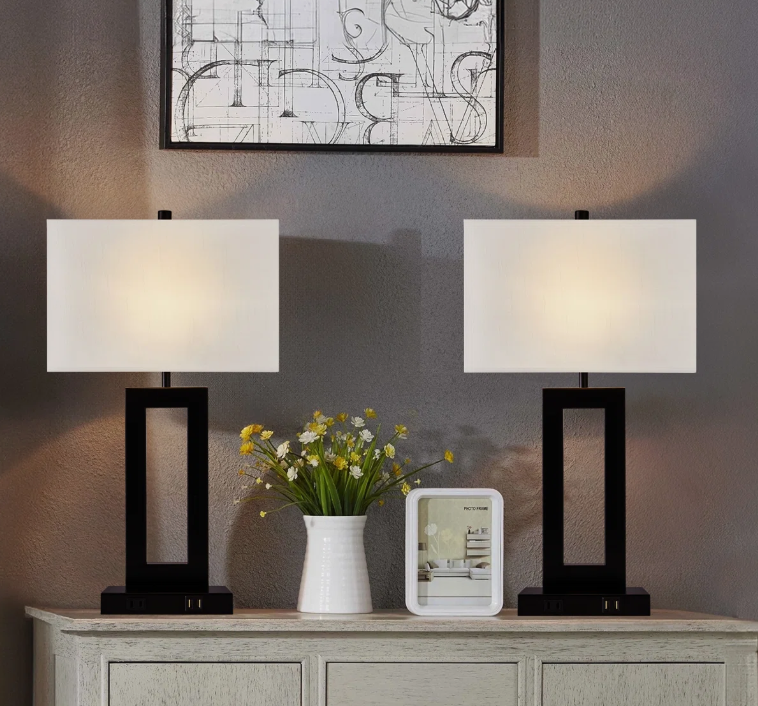
During the evening, softer bedside lamps or wall-mounted sconces make the room feel calmer and more intentional. Warm bulbs are usually the better choice for bedrooms because they soften the space and reduce glare. If your ceiling fixture is too harsh, even the most beautiful furniture will struggle to create a peaceful mood.
In the morning, natural light should still be easy to enjoy. That is where window treatments matter. Sheer curtains can soften daytime brightness, while blackout panels support better sleep if streetlights or early sunrise are an issue. In many Canadian homes, especially condos facing busy streets, this balance between light control and privacy makes a meaningful difference.
Bring in softness through layers
A bedroom retreat should never feel one-dimensional. Texture is what gives it comfort.
Start with bedding that feels inviting, not overly fussy. Crisp cotton, washed linen, quilted coverlets, and layered throws all add depth without overwhelming the bed. If you want the room to feel hotel-inspired, stick to a restrained palette and vary the textures instead of adding bold patterns everywhere.
An area rug can also soften the room dramatically, especially if you have hardwood or laminate flooring. It helps with warmth underfoot and visually grounds the bed. In smaller bedrooms, a rug that extends beyond the sides of the bed usually looks more generous than one that is too small.
Even a simple upholstered headboard, textured bench, or pair of fabric curtains can make the room feel quieter and more comfortable. These details work because they absorb some of the visual sharpness that hard surfaces create.
Reduce visible clutter
Few things disrupt a bedroom faster than clutter. Relaxation and visual overload do not pair well.
That does not mean your bedroom needs to look staged at all times. It does mean the room should have enough storage to support real life. Dressers, nightstands with drawers, under-bed storage, and well-organized closets all help maintain a calmer look with less effort.
One of the easiest upgrades is removing items that do not belong in the room at all. Overflow paperwork, workout gear, piles of laundry, and too many decorative accessories can all chip away at the restful atmosphere. Editing is part of styling.
If you are furnishing from scratch, this is where practical design matters. Modern pieces with clean silhouettes and built-in function often work harder in smaller homes, which is one reason many shoppers turn to curated collections from retailers like Furneeta when they want style and efficiency in the same room.
Keep décor selective and personal
Décor should support the retreat feeling, not compete with it. A few well-chosen pieces are usually more effective than filling every surface.
Artwork above the bed, a sculptural lamp, a mirror that reflects light, or a ceramic vase on the dresser can add personality without making the room feel busy. The best styling choices often echo the colours and materials already in the space.
Scent can also shape the mood, whether through candles, diffusers, or linen sprays. Just keep it subtle. The same goes for greenery. A small plant can add life, but too many accessories create maintenance and visual noise.
Technology is another area worth editing. Some people sleep better without a television in the bedroom. Others do not mind one if it is integrated neatly. It depends on your habits, but the room should still feel like it is designed for rest first.
Make it work for your version of comfort
There is no single formula for how to create a relaxing bedroom retreat because comfort is personal. Some people want a minimal room with barely any décor. Others want warmth, softness, and a more layered look. What matters is that the room feels cohesive, practical, and easy to maintain.
If your current bedroom feels off, do not assume you need a full makeover. Sometimes the biggest difference comes from correcting the scale of the furniture, improving storage, changing the lighting, or upgrading the bedding. Small shifts can completely change how the room functions and how you feel in it.
A bedroom retreat is not about perfection. It is about creating a space that welcomes you at the end of a long day and makes staying in feel just as good as going out.

